You may recognise niacinamide from facial skincare. Finding it in an intimate cream raises a useful question: what does it contribute here? The answer begins with the barrier that helps skin retain water.
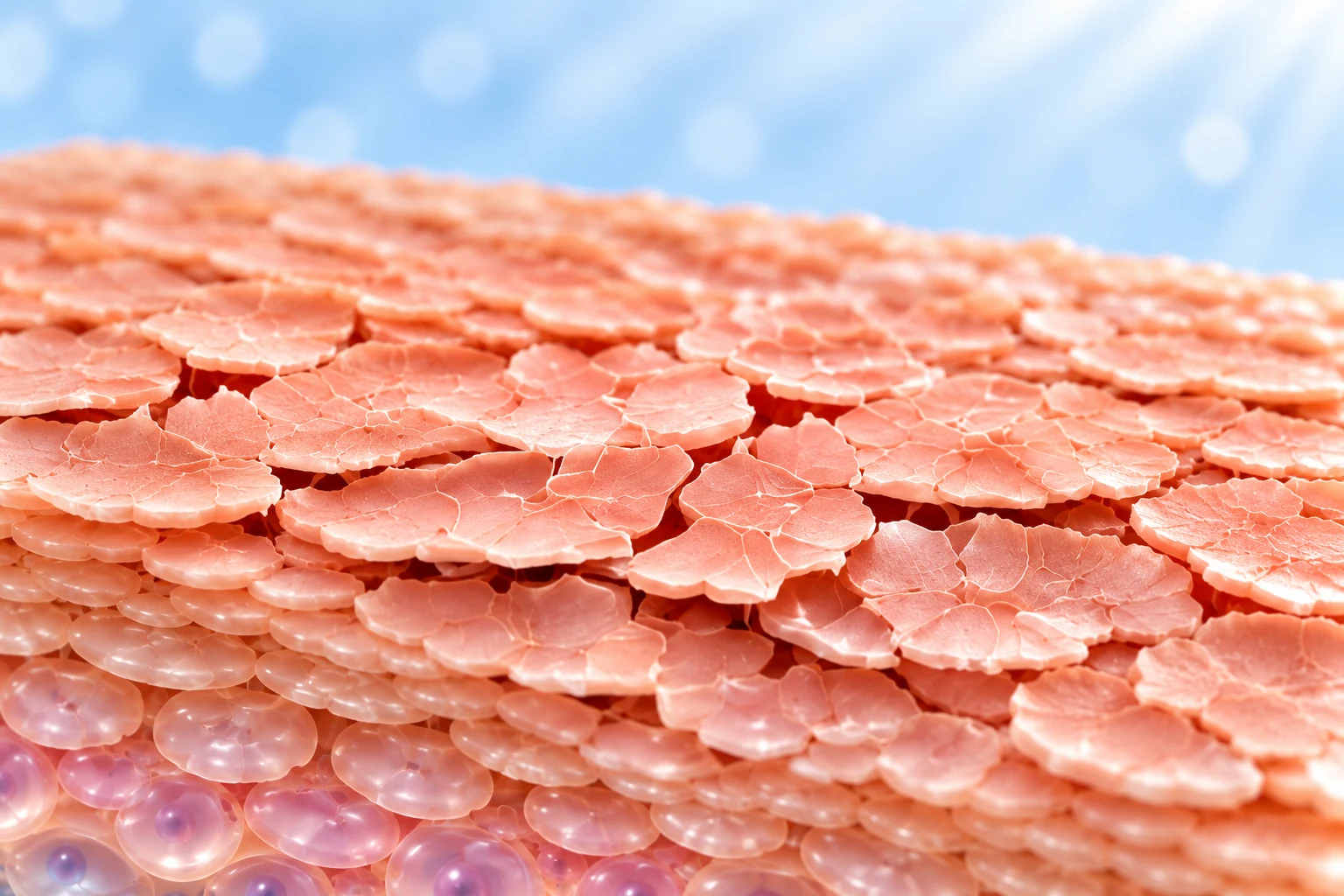
Hydration and barrier lipids are connected
Lipids between stratum corneum cells, including ceramides and cholesterol, help limit water loss. Caring for this structure therefore belongs alongside caring for hydration.
That connection explains why several ingredient groups can have a place in a formula designed around supple skin.
The ingredient’s studied role
Niacinamide is a form of vitaminB 3. Research involving cultured human skin cells and topical use examined its role in producing lipids, including ceramides, alongside barrier function and water loss.
Looking after skin lipids gives hydration support. This mechanism helps explain the ingredient’s interest in barrier-focused skincare.
Two ways to understand the formula
NeuroSensa™ contains niacinamide alongside ceramides NP, AP and EOP, cholesterol and phytosphingosine. Consider both the lipids supplied in the cream and an ingredient studied for its role in skin’s own production of certain lipids.
Humectants and emollients complete the picture: water in the outer layer, support for retaining it and a softer surface feel.
Bring the explanation back to your day
Use the cream on external skin as directed and let it settle before dressing. Notice the suppleness and finish you enjoy during movement and under clothing.
Understanding niacinamide helps you choose complementary functions within a care step you want to repeat.
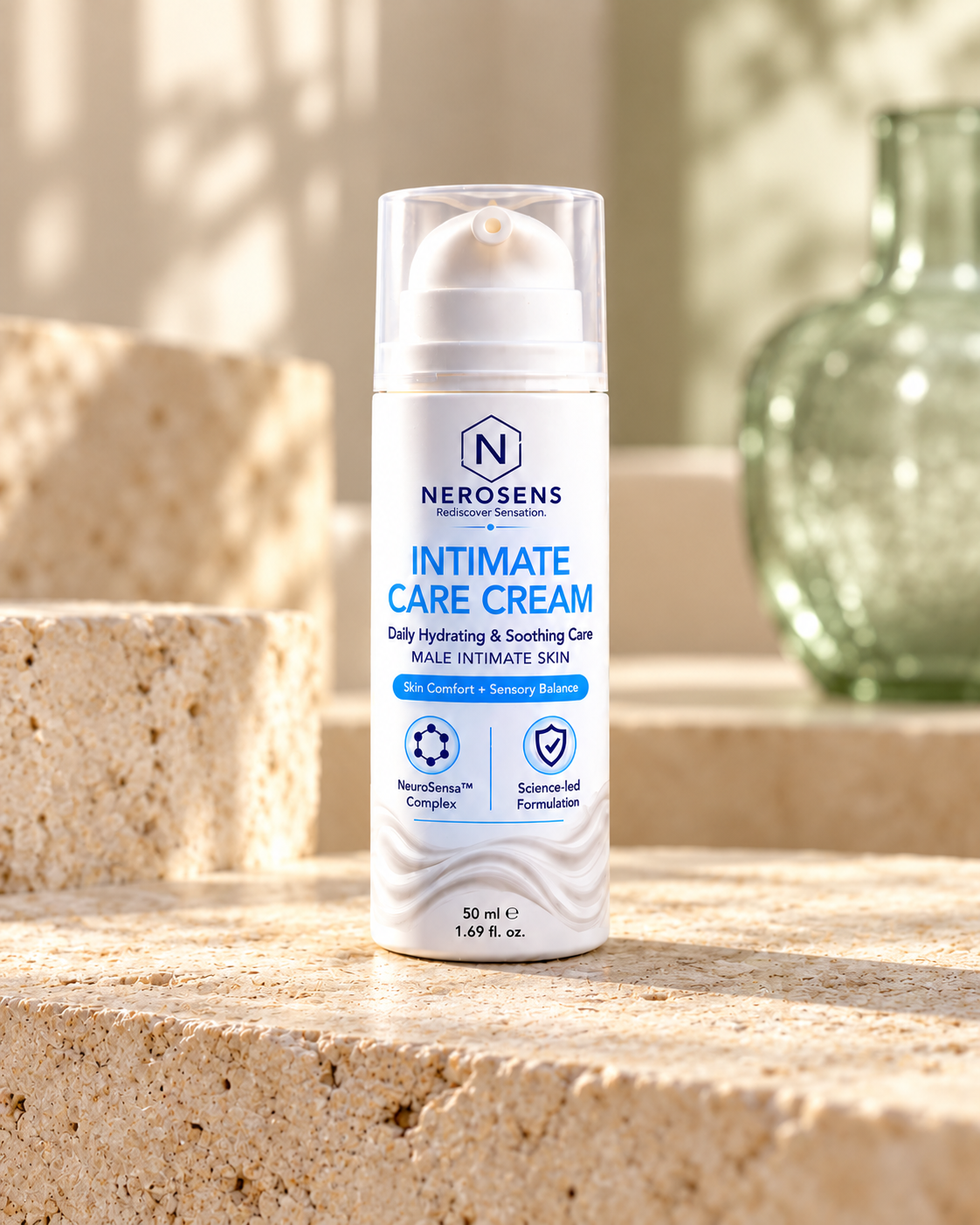
Explore complementary barrier care
Discover niacinamide, ceramides and moisturising ingredients in the NeuroSensa™ formula.