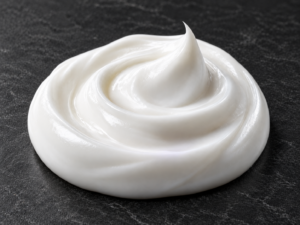
Petroleum jelly is a familiar response to dryness: a layer that stays on the skin. For an area in contact with clothing all day, your choice can also consider the hydration you want and the finish you enjoy wearing.

What petroleum jelly does
Petroleum jelly helps limit water loss by forming a protective layer. Humectants such as glycerin and urea have a different role in holding water within the stratum corneum.
Limiting evaporation and holding water are complementary functions. That distinction helps you compare a single ingredient with a formula combining several roles.
Why bring functions together?
A human study on dry skin examined glycerol and petrolatum within a cream and found complementary effects. It helps explain a formulation principle.
Other formulas also bring in barrier lipids and emollients. The useful comparison then involves both skin needs and the experience of using the product.
| Consideration | Pure petroleum jelly | NeuroSensa™ cream |
|---|---|---|
| Main role | A layer that limits water loss | Humectants, barrier lipids and emollients |
| Texture | A rich layer, depending on your preference | The brand’s silky, non-greasy finish |
| Your priority | Limit water loss | Complementary functions with a light daily texture |
Consider the feel during your day
A rich layer may suit one area while a light, silky finish suits another. Think about dressing, movement and how the product feels after it settles.
NeuroSensa™ combines humectants, ceramides, cholesterol and squalane in a fragrance-free care cream with a silky, non-greasy finish.
Choose something you enjoy returning to
Read the product instructions and intended use, then connect care for dryness with the texture you prefer.
A cream earns its place through the functions that serve your skin and an experience that fits regular use.
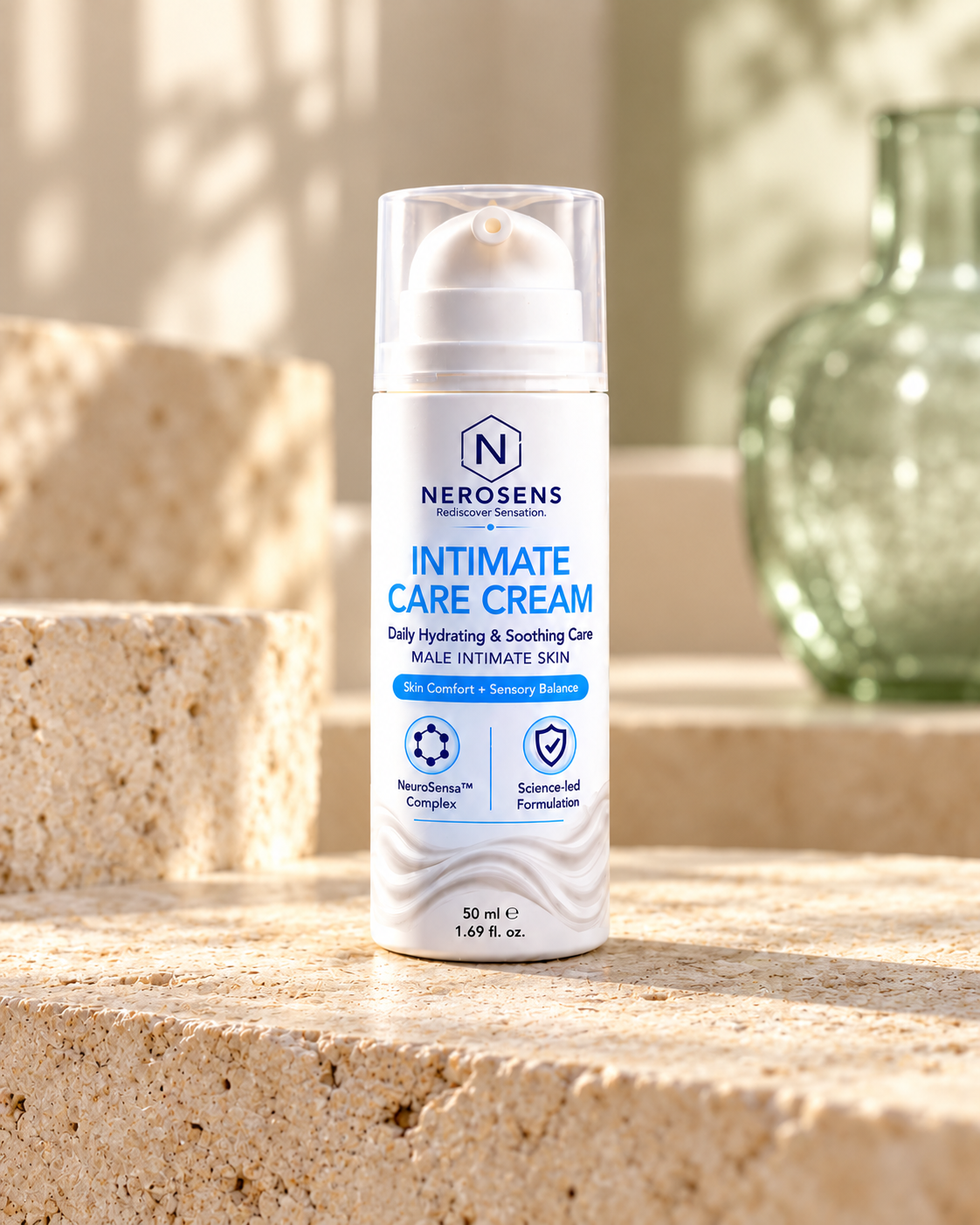
Choose the functions and the finish
Explore NeuroSensa™ for hydration, barrier support and softness in a daily care cream.